September 7, 2026 Post by : Editorial Ecology & Habitat
Reading the Flock: How to Identify Winter Shorebirds on Crowded Mudflats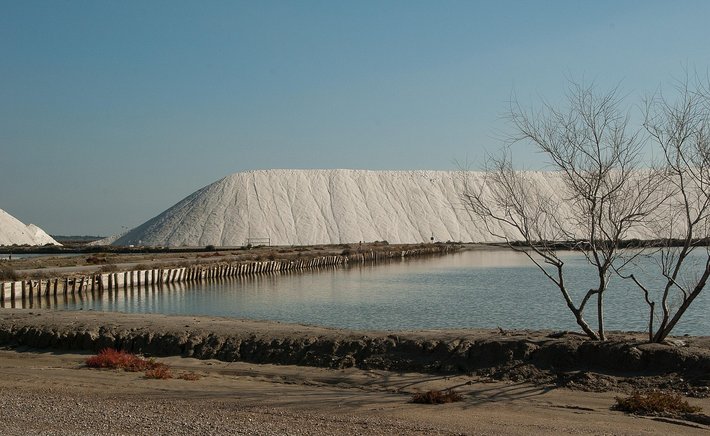
When we think of coastal birdwatching, we often picture sandy beaches and expansive mudflats. But there is another habitat that is just as important, and just as fascinating: the salt marsh. These lush, green expanses of cordgrass and rushes, cut through by winding creeks, are among the most productive ecosystems on the planet.
Salt marshes form in sheltered coastal areas where fine sediments accumulate and are colonized by salt-tolerant plants. They are tidal, flooded and drained twice a day, and this constant flux creates a unique and dynamic environment. For birds, marshes offer food, shelter, and nesting sites. For the wider ecosystem, they provide critical services: they filter pollutants from runoff, absorb carbon, and act as natural buffers against storm surges and coastal erosion.
A Nursery for Fish and a Haven for Birds
The intricate network of creeks and pools within a salt marsh is a nursery for countless species of fish and crustaceans. Young fish find refuge among the stems of marsh plants, safe from larger predators. This abundance of small aquatic life attracts a wide range of birds. Egrets and herons stalk the creeks, while rails and bitterns skulk among the reeds.
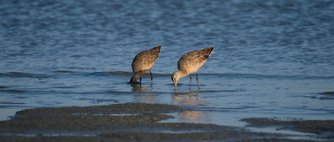
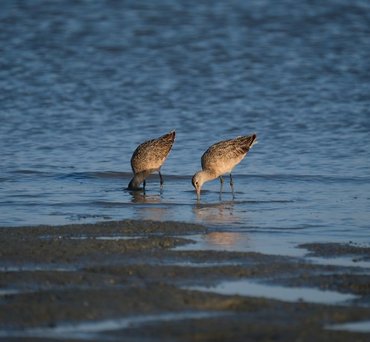
During migration, salt marshes become important stopover sites for shorebirds that prefer the softer, vegetated substrates. Species like the Short-billed Dowitcher and the Lesser Yellowlegs can be seen probing the mud in the marsh creeks. In winter, marshes host populations of sparrows, wrens, and other passerines, while raptors like Northern Harriers quarter the open areas in search of prey.
Some shorebirds, like the Willet and the American Oystercatcher, nest in or near salt marshes. The dense vegetation provides cover for nests and chicks, while the adjacent mudflats and beaches offer feeding opportunities. The health of the marsh is directly linked to the success of these breeding populations.
Threats and Restoration
Despite their importance, salt marshes are under threat. Historically, they were drained and filled for agriculture and development. Today, they face a new set of challenges. Sea level rise is a major concern, as marshes may not be able to migrate inland fast enough to keep pace with rising waters. Coastal squeeze—where marshes are trapped between rising seas and hard infrastructure like roads and seawalls—is a particular problem.
Nutrient pollution from fertilizers and sewage can cause eutrophication, leading to algal blooms and the collapse of marsh vegetation. Invasive species, such as the common reed, can outcompete native plants and alter the structure of the marsh, making it less suitable for some birds.
But there is hope. Across the world, restoration projects are bringing salt marshes back to life. This can involve removing invasive species, reintroducing native plants, and restoring natural tidal flows by removing barriers. In some places, 'managed realignment' projects are allowing the sea to reclaim former farmland, creating new marsh habitat.
For the coastal birdwatcher, salt marshes offer a different kind of experience. They are quieter, more subtle, and require a bit more patience. But the rewards are great. A walk along a marsh boardwalk at dawn, listening to the calls of rails and the distant song of a Marsh Wren, is a reminder of the rich, hidden life of our coastlines. Protecting these habitats is not just about birds; it is about safeguarding the natural systems that protect us all.
Author
22 feb,2025
This incident opened my eyes to the value of Insurance in general, so I decided to examine my personal and business insurance.


Comment (3)
The payments are made directly from one person to another without passing through a central bank or clearing house.
22 feb,2025
ReplyThe Ethics of the Scope: When Does Watching Become Disturbing?
23 feb,2025
ReplyMudflat Mysteries: The Hidden Life of the Benthic Buffet
23 feb,2025
Reply