October 1, 2026 Post by : Editorial Conservation Wins
Volunteer Power: How Citizen Scientists Are Reshaping Shorebird Research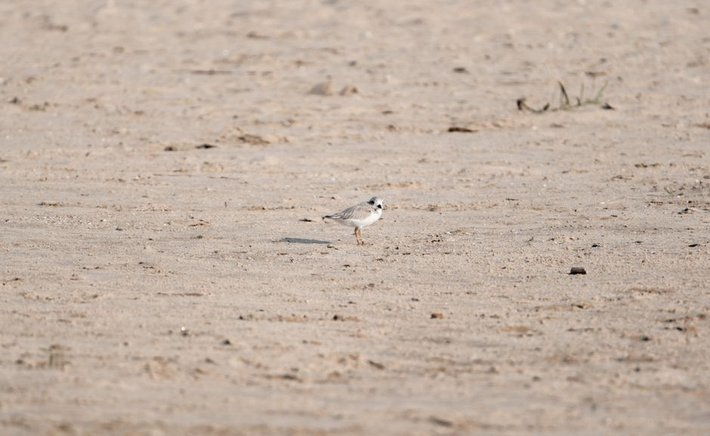
Few shorebirds capture the public imagination like the Piping Plover. Pale as dry sand, with a single dark breast band and bright orange legs, it scurries along the waterline like a wind-up toy. For decades, its numbers plummeted as beaches were developed, stabilized, and crowded. Yet in recent years, dedicated protection efforts have begun to turn the tide in several regions. Reports from coastal managers and volunteer networks suggest that some Atlantic and Great Lakes populations are producing more fledglings, a sign that careful stewardship can work.
The plover's recovery is not accidental. It is the result of dozens of small, coordinated actions: symbolic fencing around nests, exclosures that keep predators out, leash rules during nesting season, and tireless monitoring by staff and volunteers. Each of these measures addresses a specific threat. Together, they give plovers the breathing room they need to lay eggs, incubate, and raise chicks on the same beaches where people love to swim and sunbathe.
Small Birds, Big Challenges
Piping Plovers nest in shallow scrapes on open sand, often just above the high tide line. This makes their eggs and chicks extremely vulnerable. A single off-leash dog, a stray cat, a crow, or even a well-meaning beachgoer walking through a nesting area can cause a colony to fail. Storms and high tides can wash out nests overnight. On top of these natural pressures, development and shoreline hardening have eliminated much of the habitat the birds once used.
What makes the recent successes encouraging is that they show how flexible plovers can be when given a chance. In some areas, birds have nested on dredged spoil islands and managed beaches, as long as disturbance is kept low. Chicks that hatch on a busy beach can thrive if they can reach foraging areas along the water's edge without being chased. The key is balancing human recreation with the birds' basic needs, often through a combination of education, signage, and seasonal restrictions that most visitors accept once they understand why they matter.
What Beachgoers Can Do
The most powerful tool in plover conservation may be simple awareness. If you visit a beach during nesting season, respect posted closures and keep your distance from birds and chicks. Keep dogs leashed or, better yet, on beaches where they are not allowed during critical periods. Avoid flying kites or drones near nesting areas, and carry out any trash that might attract predators. If you see a chick in distress or a nest in an unprotected spot, contact local wildlife authorities rather than intervening yourself.
Volunteering with a plover monitoring program is another rewarding way to help. Many coastal parks and conservation groups welcome citizen scientists to count birds, educate visitors, and help install fencing. The work can be hot, sandy, and repetitive, but it produces tangible results. When a chick fledges after weeks of shared vigilance, the payoff feels personal. The Piping Plover's story is far from finished, but this season's good news shows that with sustained effort, even a small, vulnerable shorebird can hold its ground.

Author

22 feb,2025
This incident opened my eyes to the value of Insurance in general, so I decided to examine my personal and business insurance.



Comment (3)
The payments are made directly from one person to another without passing through a central bank or clearing house.
22 feb,2025
ReplyMudflat Mysteries: The Hidden Life of the Benthic Buffet
23 feb,2025
ReplyTagging Technology: How Tiny Transmitters Are Unlocking Migration Secrets
23 feb,2025
Reply