September 25, 2026 Post by : Editorial Conservation Wins
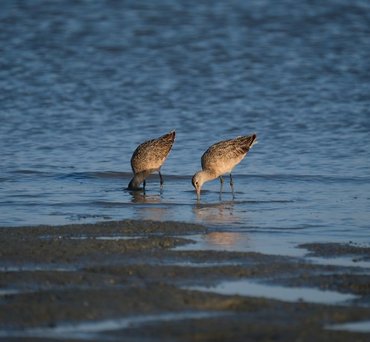
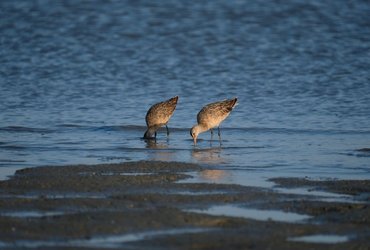
Mudflat Mysteries: The Hidden Life of the Benthic Buffet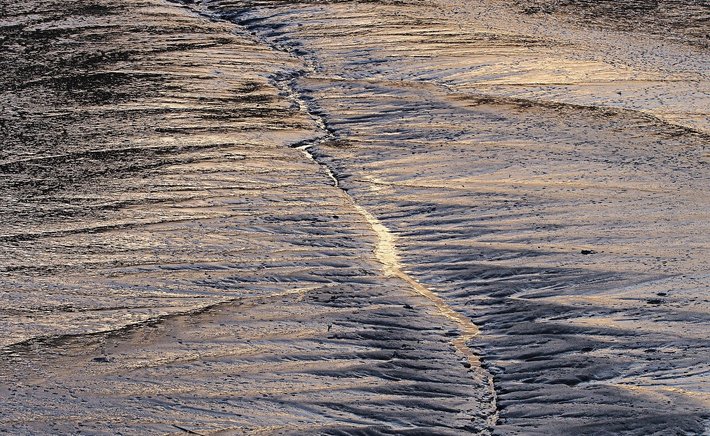
For shorebirds, the coast is everything. It is where they feed, rest, and in some cases nest. But the coast is also changing. Sea level rise, driven by a warming climate, is gradually pushing high tide lines inland and altering the delicate balance of salt marshes, mudflats, and sandy beaches. For birds already stressed by development and disturbance, this shift poses a profound challenge. Yet across the world, conservationists and coastal planners are experimenting with ways to give shorebirds and other wildlife room to adapt.
The core problem is what scientists call coastal squeeze. As seas rise, habitats like salt marsh would naturally migrate inland. But in many places, roads, seawalls, and buildings block that movement. The result is that marshes and flats are drowned rather than relocated. Shorebirds that depend on these habitats lose feeding and roosting grounds. Species that nest on beaches may find their nesting areas washed away more frequently, forcing them to renest or abandon a site altogether.
Working with Nature, Not Against It
One promising approach is managed retreat, sometimes called coastal realignment. In areas where developed land is at risk, planners may choose to remove hard structures and allow the sea to reclaim former wetlands. This can seem counterintuitive, but it often restores natural processes that benefit wildlife and can reduce long-term flood risk for communities. In parts of Europe and North America, such projects have recreated salt marsh and mudflat that shorebirds quickly colonize.
Another strategy is the creation of new habitat using dredged material. Coastal engineers sometimes use clean sediment from navigation channels to build or elevate islands and marshes. If designed with birds in mind, these sites can provide secure nesting and roosting areas away from human disturbance. The key is careful planning: elevation, substrate, and proximity to food sources all matter. When done well, these engineered habitats can complement natural ones and buy time for species under pressure.
What Birdwatchers Can Watch For
For coastal birdwatchers, sea level rise is not an abstract issue. It shows up in familiar places: a favorite roost that floods more often, a beach where nests fail after a high tide, a marsh that is turning into open water. Keeping records of these changes is valuable. Long-term observations submitted to eBird, local bird clubs, or shorebird monitoring programs help researchers understand how habitats and bird use are shifting.
Supporting policies that protect and restore coastal habitat is equally important. That can mean backing wetland restoration projects, advocating for living shorelines over seawalls, and speaking up for funding for wildlife refuges and parks. Shorebirds cannot vote, but the people who love them can. The future of coastal birding depends on how thoughtfully we manage the narrow, dynamic strip where land meets sea. If we plan well, there is reason to hope that the birds will still find places to feed, rest, and raise their young.


Author
22 feb,2025
This incident opened my eyes to the value of Insurance in general, so I decided to examine my personal and business insurance.

Comment (3)
The payments are made directly from one person to another without passing through a central bank or clearing house.
22 feb,2025
ReplyThe Urban Shore: Helping Birds Thrive in Human-Dominated Coastlines
23 feb,2025
ReplyBeyond the Beaches: Exploring the Overlooked World of Coastal Marshes
23 feb,2025
Reply