September 16, 2026 Post by : Editorial Ecology & Habitat
Beyond the Beaches: Exploring the Overlooked World of Coastal Marshes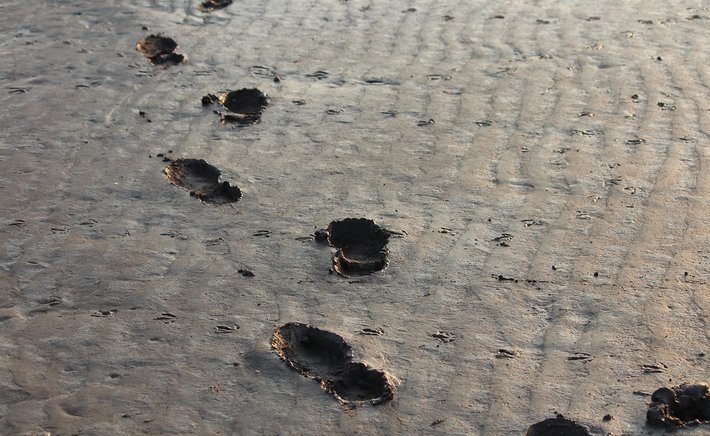
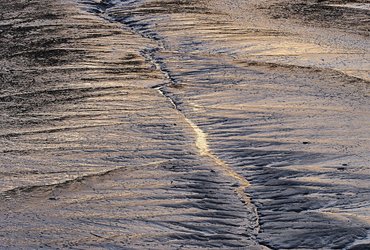
To the casual observer, a tidal mudflat at low tide can look like a lifeless expanse of grey-brown sludge. But to a shorebird, it is a five-star restaurant. The seemingly barren surface is actually the ceiling of a complex, three-dimensional world packed with life. Understanding this hidden ecosystem is key to understanding why certain estuaries are so critical for migrating birds.
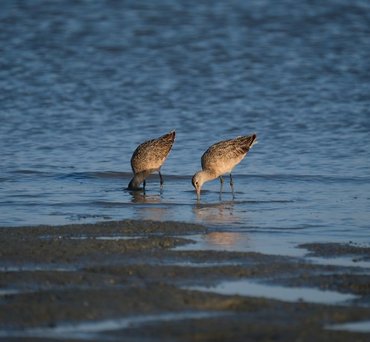
The mudflat is a product of the tides. Twice a day, the sea retreats, exposing a layer of sediment that is rich in organic matter. This sediment is home to a staggering array of benthic invertebrates—creatures that live in or on the bottom of the water body. These include polychaete worms, bivalves like clams and cockles, crustaceans such as amphipods and shrimp, and snails. For a hungry Dunlin or Knot, this is a buffet of protein and fat, essential for building up the energy reserves needed for long-distance flights.
The Specialists and the Generalists
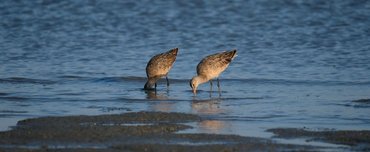
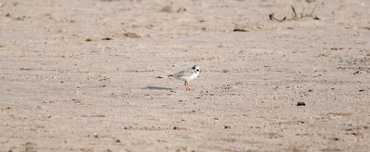
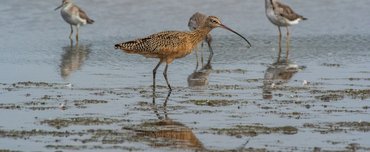
Different shorebird species have evolved different strategies for exploiting this buffet. Some, like the Curlew, use their long, curved bills to probe deep into the mud for buried worms. Others, like the Sanderling, are surface feeders, chasing the retreating waves to snatch up small crustaceans exposed by the shifting sand.
Redshanks and Greenshanks are visual hunters, actively chasing prey on the surface, while species like the Dunlin can feed both visually and by touch, using sensitive nerve endings in their bills to detect prey hidden in the sediment. This partitioning of resources means that a single mudflat can support a huge variety of species at the same time, each exploiting a different niche.
The health of this invertebrate community is directly tied to the health of the mudflat itself. Pollution, dredging, and coastal development can decimate these populations. When the invertebrate prey disappears, the birds disappear too. This is why protecting not just the visible birds, but the invisible life beneath their feet, is so crucial for conservation.
Threats to the Feeding Grounds
Mudflats are among the most threatened habitats on the planet. They are often seen as wastelands ripe for development—ideal sites for ports, marinas, and industrial expansion. They are also vulnerable to sea level rise, which can drown the shallow intertidal zones that support the richest invertebrate communities.
Nutrient runoff from agriculture and sewage can cause algal blooms that smother the mudflat surface, while microplastics and chemical pollutants accumulate in the sediment and are consumed by the invertebrates, which are then consumed by the birds. The effects can ripple up the food chain, affecting bird health, breeding success, and survival.
Next time you stand on the edge of an estuary, take a moment to look beyond the surface. The mudflat is not just a stage for the birds; it is the engine that drives the entire migration. Protecting it means protecting the intricate, invisible web of life that makes the spectacle possible.

Author
22 feb,2025
This incident opened my eyes to the value of Insurance in general, so I decided to examine my personal and business insurance.
Comment (3)
The payments are made directly from one person to another without passing through a central bank or clearing house.
22 feb,2025
ReplyTagging Technology: How Tiny Transmitters Are Unlocking Migration Secrets
23 feb,2025
ReplyThe Urban Shore: Helping Birds Thrive in Human-Dominated Coastlines
23 feb,2025
Reply