September 28, 2026 Post by : Editorial Birding Tips
The Ethics of the Scope: When Does Watching Become Disturbing?
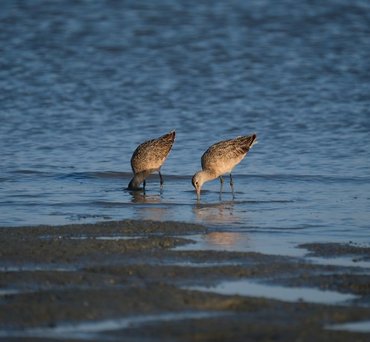
Winter birding on coastal mudflats and estuaries offers some of the most rewarding shorebird watching of the year. It also offers some of the most confusing. As the breeding season fades, the crisp colors and distinctive patterns of spring give way to muted grays, browns, and whites. Hundreds of birds may feed together in a single bay, constantly moving, probing, and shuffling. For a beginner, the scene can feel like an impossible puzzle. The good news is that identification becomes much easier once you learn to look at structure, behavior, and a few subtle field marks rather than relying on color alone.
Start by getting a sense of the overall shapes in the flock. Dunlins are compact and slightly hunched, with a distinctive drooping bill. Sanderlings are pale and energetic, chasing the retreating waves like tiny clockwork toys. Black-bellied Plovers stand taller and more upright, often alert and watchful between feeding bouts. Western Sandpipers and Least Sandpipers mingle in many estuaries, rewarding careful study of bill length, leg color, and overall size. Even when plumage is drab, silhouette and posture tell a story.
Structure and Behavior Before Color
Experienced shorebirders often identify birds at a glance by how they move and where they feed. Some species prefer the water's edge, others probe in shallow pools, and still others forage on drier sand or mud. A bird bobbing its rear end like a teeter-totter is almost certainly a Spotted Sandpiper or its relatives. A flock that wheels in tight, synchronized flight over the water may be Dunlin or Western Sandpipers. Learning these patterns takes practice, but it pays off quickly.
Optics matter, too. A spotting scope is a huge advantage on open flats, letting you observe birds without disturbing them. If you use a scope, set it up well back from the flock and avoid sudden movements. Patience is essential. Shorebirds often feed in loose groups that slowly drift with the tide, so give yourself time to scan and re-scan. Taking notes or sketching what you see can help you remember details and build confidence for future trips.
Building Your Winter Shorebird Skills
The best way to improve is to go birding with someone more experienced. Local bird clubs and shorebird festivals often organize winter walks specifically aimed at mixed flocks. These outings provide instant feedback and help you calibrate your impressions. If you cannot join a group, pick one or two common species and study them thoroughly. Once you know Sanderling and Dunlin well, other species become easier to spot as exceptions to the familiar pattern.
Finally, remember that not every bird needs a name to be enjoyed. Winter shorebirding is as much about the atmosphere as the checklist: the smell of salt air, the sound of waves, the sudden lift of a flock into the wind. Identification is a skill worth developing, but it serves a deeper pleasure, which is simply paying close attention to the lives unfolding on the mudflats. Bring warm layers, a thermos, and a willingness to stand still. The birds will do the rest.


Author

22 feb,2025
This incident opened my eyes to the value of Insurance in general, so I decided to examine my personal and business insurance.




Comment (3)
The payments are made directly from one person to another without passing through a central bank or clearing house.
22 feb,2025
ReplyBeyond the Beaches: Exploring the Overlooked World of Coastal Marshes
23 feb,2025
ReplyThe Miracle of Migration: Tracking Hudsonian Godwits from Alaska to Tierra del Fuego
23 feb,2025
Reply