October 4, 2026 Post by : Editorial Migration News
Sea Level Rise and the Future of Coastal Bird Habitat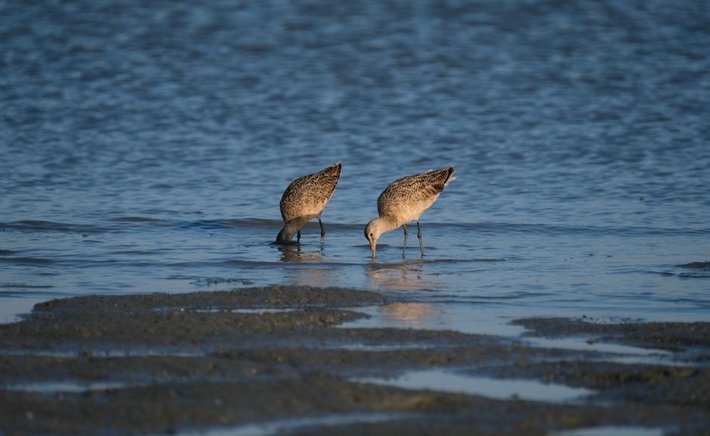
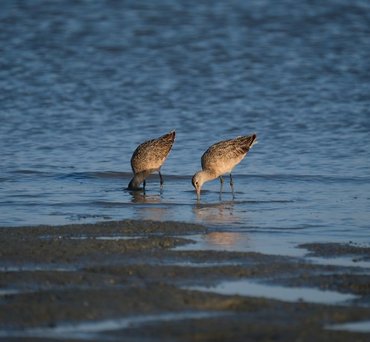
Every year, as the northern summer fades, one of the most extraordinary journeys in the avian world begins. The Hudsonian Godwit, a large shorebird with a long, slightly upturned bill and rich cinnamon underparts in breeding plumage, lifts off from the bogs and marshes of Alaska and subarctic Canada. Its destination lies nearly at the other end of the planet: the windswept coasts of Tierra del Fuego, at the southern tip of South America. Along the way, some birds make nonstop flights over open ocean that last for days, pushing the physiological limits of what a bird can endure.
Researchers using lightweight satellite tags and geolocators have gradually pieced together the routes these birds take. What has emerged is a picture of remarkable endurance paired with alarming vulnerability. Godwits depend on a handful of key stopover sites where they refuel on invertebrates buried in tidal mud. If any one of those sites is degraded, filled in, or disturbed, an entire migratory population can suffer. For birdwatchers, understanding this chain of habitats transforms a chance sighting on a local mudflat into a story that spans two hemispheres.
Why Stopover Sites Are the Linchpin of Conservation
Shorebirds like godwits are creatures of edges. They nest in the high latitudes and spend the nonbreeding season in estuaries, lagoons, and coastal wetlands. The journey between these two worlds requires staging areas rich in food. A single godwit may need to nearly double its body weight before departing on a long overwater leg, then arrive exhausted and hungry at the next suitable flat. This is why organizations such as the Western Hemisphere Shorebird Reserve Network work to protect chains of sites rather than isolated pockets of habitat.
For coastal birdwatchers, this has practical implications. The mudflats near your hometown may be far less glamorous than a tropical rainforest, but they could be essential to birds that breed above the Arctic Circle and winter in Patagonia. Learning to identify godwits, both Hudsonian and the similar Bar-tailed, and reporting your sightings to platforms like eBird helps researchers fill gaps in migration maps. It also builds the case for protecting tidal flats that might otherwise be dismissed as wasteland.
How You Can Support Migratory Shorebirds
Supporting godwits does not require a plane ticket to Alaska or Chile. It starts with paying attention to local habitats. Join a coastal cleanup, advocate for sensible management of beaches and estuaries, and keep dogs leashed in areas where shorebirds roost at high tide. If you live near a stopover site, consider volunteering with a local shorebird monitoring program. These efforts generate the kind of long-term data that conservation decisions rely on.
The Hudsonian Godwit's journey is a reminder that shorebirds knit together distant places. A bird standing quietly on a mudflat in your area may have just crossed an ocean, and it may be only days away from another leap into the unknown. Protecting these travelers means protecting the entire network of coasts they depend on, from the Arctic to the Southern Cone. It is a big responsibility, but it begins with something small: noticing the birds in front of us and choosing to care for the places they need.
Author
22 feb,2025
This incident opened my eyes to the value of Insurance in general, so I decided to examine my personal and business insurance.



Comment (3)
The payments are made directly from one person to another without passing through a central bank or clearing house.
22 feb,2025
ReplyThe Miracle of Migration: Tracking Hudsonian Godwits from Alaska to Tierra del Fuego
23 feb,2025
ReplyPiping Plovers on the Rebound: Lessons from a Banner Nesting Season
23 feb,2025
Reply